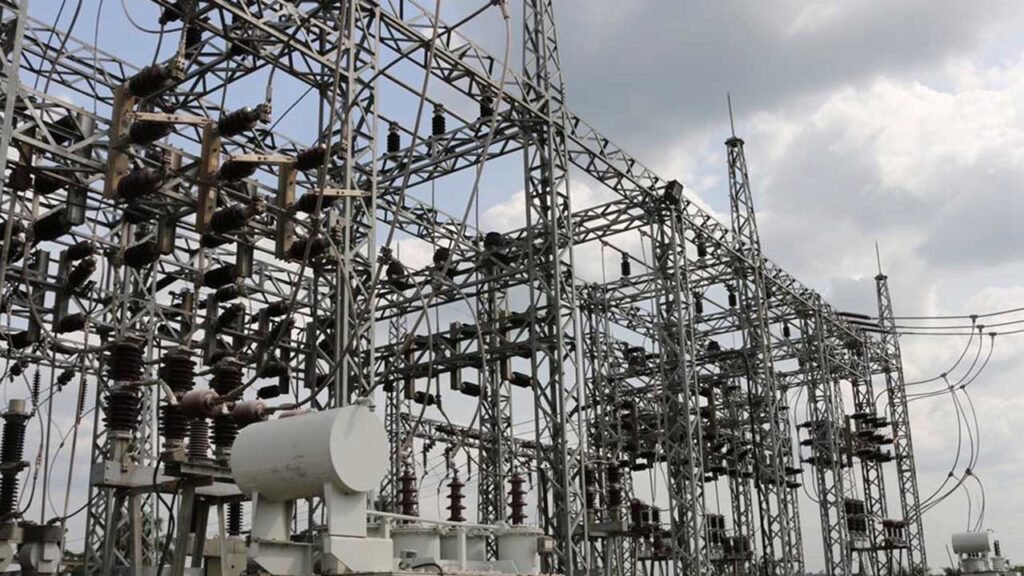
The Minister of Power, Adebayo Adelabu, has disclosed that President Bola Tinubu’s administration is implementing comprehensive measures to address the persistent challenge of national grid collapses and establish a reliable electricity supply system for Nigerians.
Adelabu made this declaration on Friday during the inaugural Nigerian Independent System Operator (NISO) Management Retreat held in Uyo, Akwa Ibom State, with the theme “NISO on the Move.”
The Permanent Secretary in the Ministry of Power, Alhaji Muhammadu Mamman, who represented the minister at the event, emphasized that the current government has adopted innovative approaches since assuming office to tackle grid instability and minimize power disruptions nationwide.
According to Mamman, the establishment of NISO represents a significant departure from previous practices, demonstrating the administration’s commitment to transforming the power sector through strategic institutional reforms.
Background of Nigeria’s Power Challenges
Nigeria’s electricity infrastructure has suffered from repeated grid failures attributed to several interconnected issues including obsolete equipment, inadequate maintenance protocols, insufficient funding, and deliberate infrastructure vandalism. These recurring breakdowns have resulted in extensive blackouts that severely impact economic activities and force millions of citizens and businesses to depend on costly alternative power sources such as diesel generators.
Speaking on the administration’s reform agenda, Mamman stated, “Since the commencement of this administration as everybody knows, things have been going on differently. The creation of the Nigerian Independent System Operator (NISO) itself is something that government is doing differently to ensure grid stabilization, reduction in power outages and ensure that every Nigerian has access to electricity.”
He added that the maiden NISO retreat provides a platform for stakeholders to engage in strategic dialogue and implement operational changes that differ significantly from past practices, with full government backing to guarantee organizational success and ensure adequate, stable power supply for the country.
NISO Achieves Historic Regional Integration
Dr. Adesegun Akin-Olugbade, who serves as Chairman of the Board of Directors of NISO, praised the organization’s workforce for their exceptional dedication, which culminated in the successful synchronization of Nigeria’s electricity grid with the West African Power Pool (WAPP).
In his address, Dr. Akin-Olugbade stated, “From the very beginning, NISO has been about people: the men and women who keep the grid stable, who ensure the market runs fairly, and who represent Nigeria with excellence in regional and international cooperation.”
He highlighted that NISO’s personnel have earned the institution recognition as a credible and forward-thinking entity within Nigeria’s power sector, noting their achievement of what many considered impossible: the successful synchronization of Nigeria’s grid with the West African Power Pool.
“Through strengthened coordination, transparent communication, and the professionalism of our system operators, Nigeria’s grid together with Niger and parts of Benin and Togo was synchronised with the rest of West Africa, from Nigeria to Mauritania, operating seamlessly at a single frequency for four uninterrupted hours,” Dr. Akin-Olugbade explained.
Investment Gaps Remain Major Concern
The Managing Director of NISO, Engr. Abdul Mohammed, explained that the organization was established to supplement government initiatives by mobilizing private sector capital and maximizing returns on current power sector investments.
Addressing questions regarding why substantial investments in the power sector have not translated to consistent electricity supply, Mohammed described the electricity business as exceptionally capital-intensive, stressing that historical investment levels have fallen significantly short of requirements.
“First and foremost, we have to understand that the power business is extremely capital-intensive. If you look at other jurisdictions where they have their power right, find out how much they have spent on an annual basis – a lot of money,” Mohammed stated.
He acknowledged that government has not allocated the volume of resources necessary to achieve grid reliability and stability, which underscores NISO’s mission to attract private sector participation and optimize existing infrastructure to drive improvement in power delivery.
State Government Commends NISO Performance
Akwa Ibom State Governor, Pastor Umo Eno, represented by the State Commissioner of Power, Iniobong Robson, commended NISO for its accomplishments since establishment, noting that the agency has consistently demonstrated discipline and maintained clarity regarding its operational mandate.
The retreat, which brought together key stakeholders in Nigeria’s electricity sector, marks a pivotal moment in the country’s ongoing efforts to resolve decades-long power supply challenges and position NISO as the fulcrum for sustainable grid management.